
Should I Use Shopify? How to Get the Extended Free Trial
When entrepreneurs come to me asking for advice on setting up their business infrastructure and ensuring their websites are legally compliant, the conversation inevitably turns to their choice of platform.
The question I get asked more than any other is: "Prosun, should I use Shopify? Does it actually work, or is it just hype?"
In this comprehensive review, I am going to leverage my experience working with hundreds of digital businesses to give you the unvarnished truth about Shopify. We will discuss whether Shopify stores are actually profitable, what the platform does well, and most importantly, how you can minimize your upfront risk by claiming the extended Shopify free trial.
Should I Use Shopify? (The Honest Truth)
If your goal is to sell physical products, digital downloads, or dropshipped goods, my answer is a resounding yes. You should use Shopify.
Before Shopify, building an e-commerce store required hiring a developer to stitch together a content management system, a secure payment gateway (like Authorize.net), an SSL certificate, and an inventory database. It was expensive, clunky, and prone to breaking during high-traffic events.
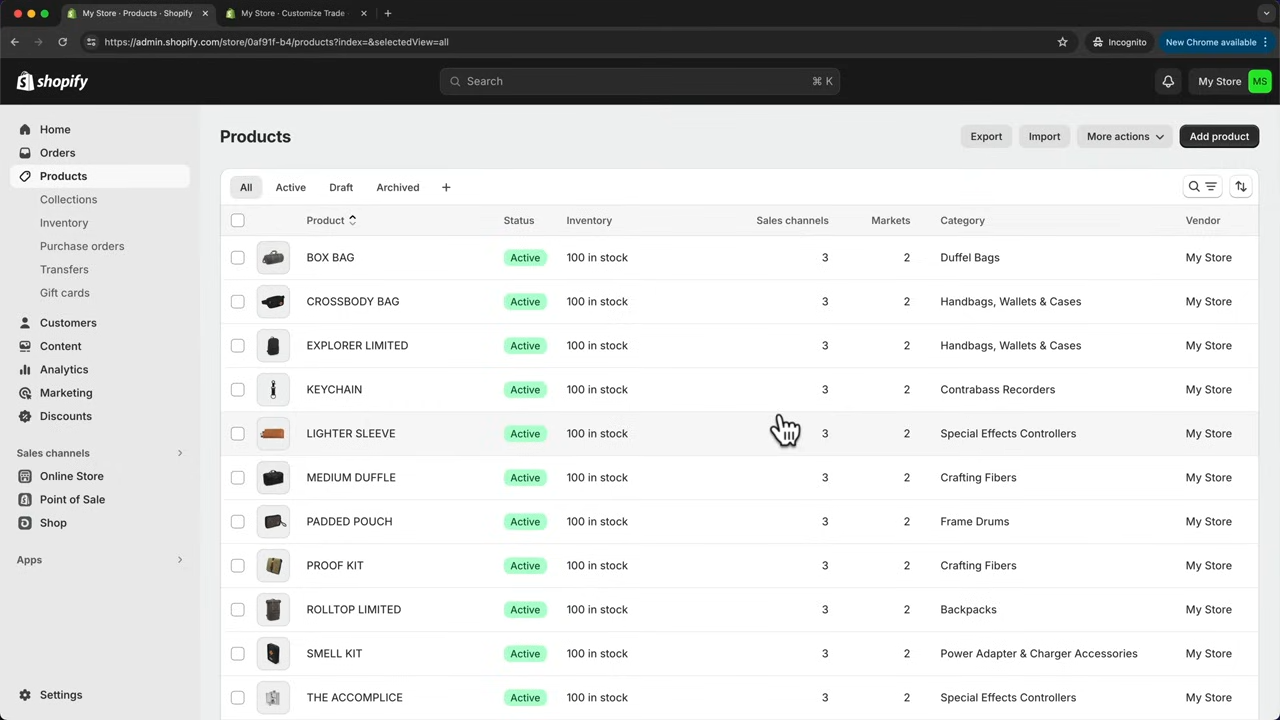
Shopify revolutionized this by offering a fully hosted, out-of-the-box solution. They handle the server architecture, the PCI-compliant checkout security, and the integration with payment processors. This allows you, the business owner, to focus entirely on marketing and product development.
Does Shopify Actually Work? Are Stores Profitable?
I often hear beginners ask, "Are Shopify stores profitable?" It is a fundamental misunderstanding of what Shopify is. Shopify is a hammer; whether or not you build a beautiful house depends entirely on how you swing it.
Shopify absolutely works. It powers massive, highly profitable brands like Gymshark, Allbirds, and Kylie Cosmetics. However, simply signing up for an account does not guarantee revenue. Your profitability will depend entirely on:
- Your product sourcing and profit margins.
- Your customer acquisition cost (how well you run Facebook/TikTok ads).
- Your conversion rate optimization.
The reason I recommend Shopify is that it removes the technical friction, giving you the best possible foundation to achieve profitability.
Get a 3-day free trial and enjoy your first 3 months for just $1/month on Shopify!
Claim Shopify Offer →Recommended Legal & Business Tools
*Disclosure: We may earn a commission if you use these partner links.
How to Get a Shopify Free Trial (The $1/Month Offer)
One of the biggest concerns for new entrepreneurs is cash flow. You don't want to commit to a massive monthly software bill while you are still trying to figure out your product-market fit.
Shopify understands this, which is why they occasionally run aggressive promotions to help new merchants get off the ground. If you are wondering how to get a Shopify free trial, you are in luck.
Right now, by using our verified partner link, you can bypass the standard pricing and unlock a 3-day completely free trial. But the offer gets much better: after your 3 days are up, you get to keep building and selling on your store for your first 3 months for just $1 per month.
This gives you 90 full days to design your store, launch your marketing campaigns, and generate your first sales, with virtually zero financial risk.
Frequently Asked Questions (FAQs)
How to get a Shopify free trial?
You can claim the extended free trial by clicking our exclusive partner link. This activates a 3-day free trial, and then drops your subscription cost to just $1/month for the next 3 months.
Should I use Shopify?
Yes. If you are building an e-commerce business, Shopify is widely considered the best hosted platform on the market due to its app ecosystem, checkout security, and ease of use.
Are Shopify stores profitable?
Shopify stores can be highly profitable, but the platform does not generate traffic for you. Profitability relies on your marketing efforts, product selection, and profit margins.

About the Author: Prosun
Prosun is a leading expert in digital compliance, business automation, and e-commerce infrastructure. With years of experience helping startups and SMBs navigate the complex world of online legalities, he specializes in finding practical, software-driven solutions for modern business operations.